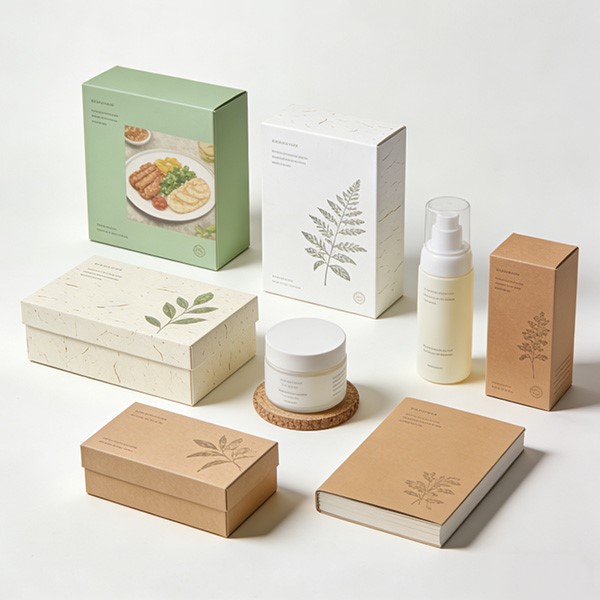
 Among various packaging materials, paper boxes have become one of the most popular packaging choices due to their multiple advantages of being environmentally friendly, convenient, economical, and aesthetically pleasing. They are widely used in multiple industries such as food, daily necessities, and electronic products. Not only does it align with the mainstream concept of global green development, but it also precisely meets the packaging needs of enterprises and the user experience of consumers, becoming an important bridge connecting products and the market.
The core benefits of carton packaging are firstly reflected in its outstanding environmental friendliness. Based on pulp made from renewable natural raw materials such as wood and reeds, it features low energy consumption and minimal pollution during production. Furthermore, after disposal, it can be recycled and reused through recycling and reprocessing. Even if it degrades naturally, it does not cause long-term white pollution like plastic packaging does, making it an important carrier for practicing low-carbon living and promoting the development of green industries. Secondly, cartons are lightweight and moderately tough, which not only facilitates batch storage and stacking for enterprises but also significantly reduces weight costs in logistics and transportation. At the same time, they can be flexibly folded and shaped according to the product's shape, adapting to packaging needs of different sizes and designs. They combine good protection and flexibility, effectively protecting products from minor collisions and squeezes. In addition, the surface of cartons is smooth and flat, making it easy to print various patterns, logos, and product information. This not only enhances product recognition and grade through exquisite design but also intuitively conveys brand concepts, helping enterprises to promote their products and enhance brand influence. At the same time, the production cost of cartons is relatively low, and raw materials are easily obtainable, making them particularly suitable for bulk packaging use by enterprises. This can effectively save packaging expenses and control production costs for enterprises.
The food industry is a major application area for carton packaging, which effectively isolates dust, moisture, and external odors, with moderate breathability, ensuring good food hygiene and freshness. Some waterproof cartons can also meet the packaging needs of liquid foods. In the daily necessities sector, carton packaging is commonly used to enhance the texture of products, while also facilitating storage and portability for consumers. In the electronics industry, the use of cushioning cotton inside the carton can fully leverage its protective properties, avoiding minor collision damage during transportation and storage. In addition, products such as books, stationery, clothing, and accessories are also suitable for carton packaging, which not only facilitates classified storage and tidy placement but also showcases the texture of the product, enhancing the consumer experience.
Carton packaging takes into account practicality, environmental friendliness, and cost-effectiveness, and is compatible with various product types. With the continuous upgrading of packaging technology and the gradual improvement of waterproof, moisture-proof, and pressure-resistant functions, it will inevitably occupy a more important position in the future packaging field and become the common choice for enterprises to reduce costs and increase efficiency, practice green development, and for consumers to pursue a convenient and environmentally friendly life.